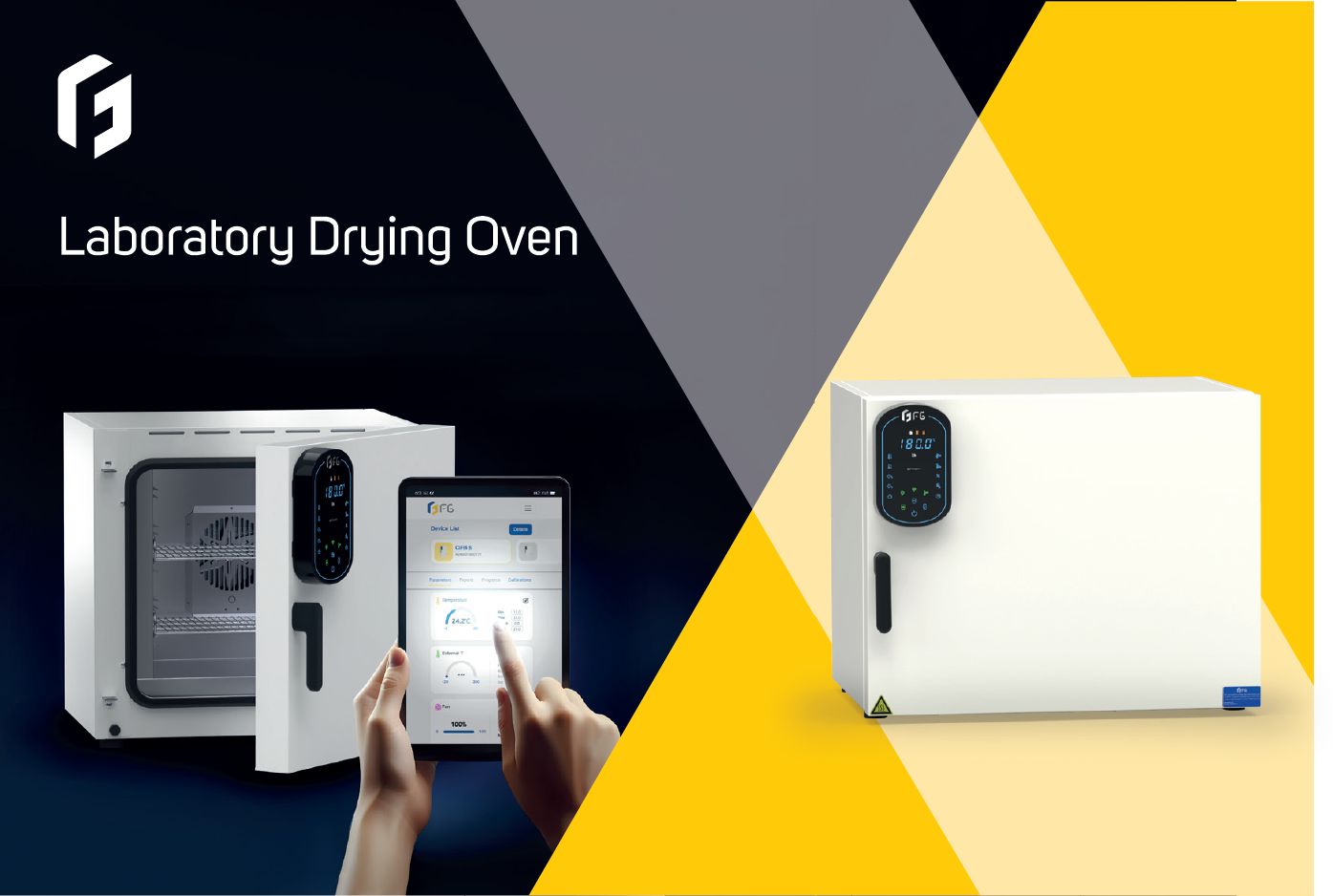

Types of laboratory ovens
The Laboratory Oven is one of the most essential pieces of equipment in a wide range of laboratories, including chemistry, biology, pharmaceutical research, metallurgy, and even the food industry. This device, commonly referred to in English as a Laboratory Oven, is specifically designed for drying samples, sterilizing laboratory instruments, removing moisture, and performing controlled thermal processes. The importance of a laboratory oven lies in its ability to provide precise and uniform thermal conditions, which are critical for many experiments and research procedures. High-quality laboratory ovens ensure the accuracy of results and significantly minimize experimental errors, making them indispensable for both routine laboratory tasks and advanced scientific research.
Drying Oven (Standard Laboratory Oven)
The Drying Oven (Standard Laboratory Oven) is one of the most common heating devices used in educational and research laboratories. Equipped with electric heating elements, this oven provides a uniform temperature distribution inside the chamber and is ideally suited for general drying processes.
-
Operating Mechanism: Gradual heating by resistive elements with heat transfer through natural convection.
-
Typical Temperature Range: 50 to 250 °C.
-
Applications: Drying laboratory glassware, evaporating moisture from chemical substances, and preparing samples prior to testing.
-
Key Features: Easy to use, robust design, and suitable for routine laboratory tasks.
Forced Air Laboratory Oven (Forced Convection Oven)
This type of oven is equipped with an internal fan that ensures continuous air circulation within the chamber, maintaining a uniform temperature throughout all areas.
-
Operating Mechanism: Combination of heating elements with a fan system for forced convection.
-
Typical Temperature Range: 50 to 300 °C.
-
Applications: Rapid drying of materials, temperature-sensitive experiments, and pharmaceutical and biological research.
-
Key Features: Maintains uniform temperature, reduces processing time, and suitable for high sample volumes.
Vacuum Oven (Laboratory Vacuum Oven)
The Vacuum Oven is designed for processes that require heating under reduced pressure. By lowering the internal pressure, the boiling point of liquids decreases, enabling drying at lower temperatures.
-
Operating Mechanism: Combination of a heating system with a vacuum pump to create negative pressure.
-
Typical Temperature Range: 50 to 200 °C (with precise adjustability).
-
Applications: Drying heat-sensitive materials, removing solvents without damaging samples, and preventing material oxidation.
-
Key Features: High precision in environmental control, suitable for biological and pharmaceutical samples.
Humidity-Controlled Laboratory Oven (Humidity Oven)
This model, in addition to temperature control, also provides the ability to regulate relative humidity.
-
Operating Mechanism: Combination of heating elements, a steam generator or dehumidifier system, and digital humidity sensors.
-
Typical Temperature Range: 20 to 250 °C.
-
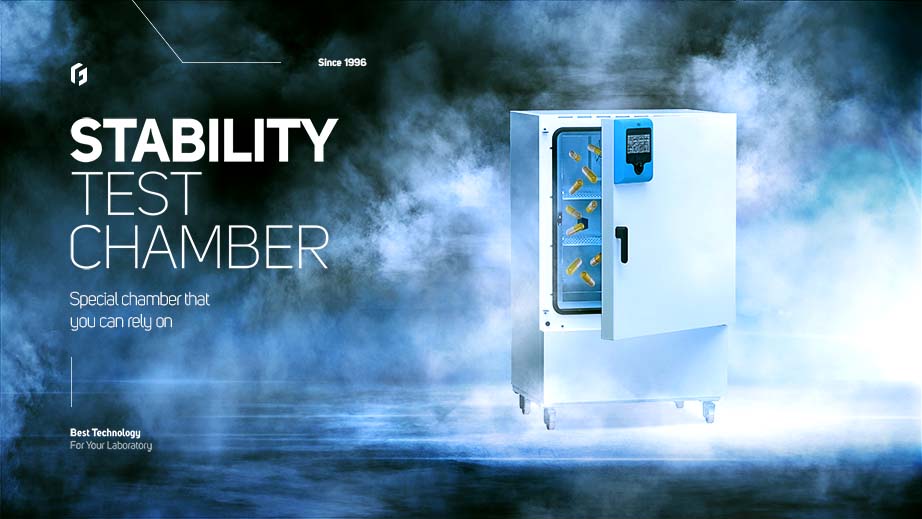
Applications: Stability testing of pharmaceuticals, simulating storage conditions for food products, and evaluating dimensional changes in materials.
-
Key Features: Ability to create specific environmental conditions, suitable for standardized stability testing.
Advanced Temperature and Pressure-Controlled Laboratory Oven
This category of ovens is equipped with advanced control systems that allow precise programming and regulation of temperature, pressure, and even thermal profiles.
-
Operating Mechanism: Combination of heating elements, thermocouple or RTD sensors, PID controllers, and pressure control systems.
-
Typical Temperature Range: 50 to 350 °C (with multi-step programmable settings).
-
Applications: Advanced scientific research, testing of high-performance materials, and multi-step thermal processes.
-
Key Features: Extremely high precision, ability to store and execute heating programs, and suitability for specialized research and industrial projects.
Smart laboratory oven
The Smart Laboratory Oven represents the new generation of drying and thermal equipment, integrating modern technologies to deliver precise control and user-friendly operation for laboratories. Designed specifically for research, pharmaceutical, biological, and industrial environments that demand high temperature accuracy and advanced control capabilities, this device ensures superior performance and reliability in critical laboratory applications.
Key Features
-
Smart temperature control with PID algorithm and HCT technology for superior thermal uniformity
-
Wi-Fi connectivity and remote control via dedicated software
-
Programmable temperature and time settings with up to 100 customizable steps
-
Automated daily, weekly, and monthly reporting with export in PDF and Excel formats
-
Email and SMS alert notifications upon alarm events
-
Remote calibration with performance history storage for up to one year
-
Triple-wall design with 304 stainless steel interior for enhanced durability and resistance
-
Fan-assisted air circulation system for precise temperature uniformity throughout the chamber
-
Optional features such as glass door, external sensor, perforated shelves, and IQ/OQ/PQ certification
-
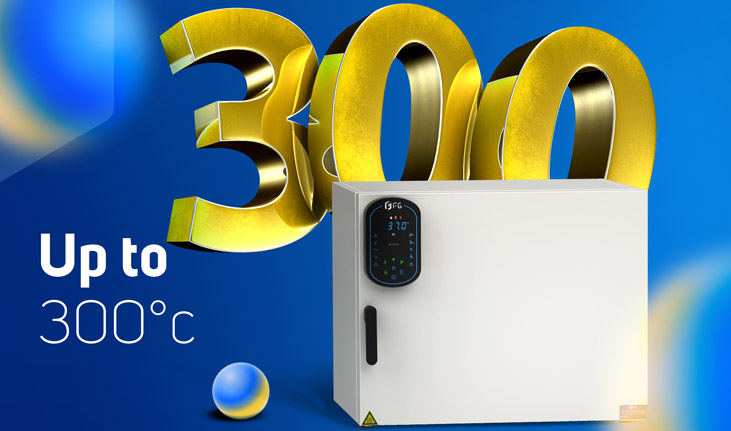
Operating temperature up to 300 °C with high precision
-
One-year warranty and ten years of after-sales service

Key Considerations When Purchasing a Laboratory Oven
-
Temperature Range: Depending on the type of sample, the operating temperature may vary from 50 to 300 °C.
-
Internal Capacity: Ranging from 20 liters for compact models to over 400 liters for industrial-scale units.
-
Chamber Material: Stainless steel interior for corrosion resistance and easy cleaning.
-
Control System: Digital controller with ±0.1 °C accuracy for sensitive applications.
-
Safety: Emergency shut-off system and over-temperature alarm.
-
Warranty and After-Sales Service: Assurance of reliable support and spare parts availability.
Maintenance and Safety Guidelines for Using a Laboratory Oven
-
Periodic Cleaning: After each use, clean the inner chamber with a soft cloth and a suitable cleaning solution.
-
Regular Servicing: Inspect the heating elements, fan, and sensors every six months.
-
Safety Precaution: Avoid placing flammable or explosive materials inside the oven.
-
Temperature Calibration: Perform at least once a year to maintain device accuracy.
Best Supplier
FG is recognized as one of the leading manufacturers of laboratory and research equipment. With its advanced and smart instruments, the company has earned unwavering trust among laboratories, research centers, and hospitals by delivering precision, reliability, and long-term performance.
By choosing this company’s products, you gain access to equipment engineered in line with international standards and the latest technologies. Making an informed and well-considered decision will undoubtedly enhance the performance and accuracy of your laboratory operations.
Price and Purchase of Laboratory Ovens
FG is active in the field of laboratory equipment manufacturing and is recognized as one of the reputable and leading companies in this industry. In fact, FG is regarded as one of the top laboratory equipment manufacturers.
The company is also engaged in the production of laboratory ovens, manufacturing high-quality and smart devices. FG products are developed using advanced technologies and in compliance with international standards.
For more information about the features of the FG Laboratory Oven, as well as pricing and purchase inquiries, please contact our sales department.
Follow us on social media. .